Make Everyday Life Work Smarter

Join us as we explore Everyday Systems Thinking, a practical way to notice patterns, feedback, and leverage in ordinary routines. We’ll map tiny causes to surprisingly big effects, share approachable tools and stories, and invite you to test small changes that compound. Subscribe, comment with your experiments, and help build a friendly corner where curiosity meets daily decisions and messy realities.

Spotting Patterns You Usually Miss

Your Morning Routine as a Living System

Consider how wake-up time, light exposure, first steps, clothes placement, and breakfast sequence co-create momentum. Changing one tiny element, like placing the kettle near the vitamins, can ripple through decisions. Track for a week, notice loops, and redesign pain points compassionately.

Hidden Delays That Trip Up Good Intentions

Many everyday frustrations come from delays between action and result: caffeine timing, commute variability, email batching, even laundry cycles. Map the delay, predict when signals arrive, and create buffers. Right-sizing expectations reduces blame and reveals better places to intervene.

Story: The Coffee Mug, the Keys, and the Door

A reader noticed departures kept slipping. They moved keys to the mug’s drying spot, nudged coffee prep earlier, and taped a playful checklist near the handle. Departures stabilized within days. No heroics, just links aligned so intentions met timing.

Friendly Feedback Loops

Feedback loops explain why some habits snowball while others fizzle. Reinforcing loops amplify change, like friends praising consistent walks; balancing loops oppose drift, like bedtime limiting late-night scrolling. We will practice naming loops, spotting tipping points, and introducing gentle counters instead of brute force. Share an example from your week, and we’ll help classify it together, turning hindsight into anticipation and cultivating kinder responses when systems behave exactly as designed.

Simple Maps for Complex Days

Drawing your world clarifies choices. Quick causal sketches expose assumptions; stock-and-flow doodles show where energy, money, or attention accumulates and drains. No art skills required. We will outline fast methods to map routines, identify handoffs, and notice boundaries that matter. Share a snapshot of a napkin diagram, and we’ll cheer, question kindly, and help translate lines into experiments that fit your constraints rather than ideals borrowed from someone else’s calendar.

Causal Loop Sketches on a Napkin

Start with a few nouns and arrows: dishes pile, stress rises, sleep drops. Add plus or minus signs to show direction. Keep it rough. The act of drawing surfaces assumptions, invites discussion, and turns disagreements into testable questions.

Stock-and-Flow Thinking for Chores and Energy

Imagine a bathtub of clean clothes, with faucets of washing and drains of wearing. Or a battery of attention charging through rest and draining through tasks. Measuring levels, not just actions, guides better pacing, prevents crashes, and highlights meaningful buffers.

Boundary Setting: What Belongs on the Map

Every map excludes. Decide what to include based on purpose: if improving dinner, include shopping cadence, prep time, and cleanup trades, not corporate policies. Boundaries sharpen focus, avoid overwhelm, and make success measurable without pretending to control everything.

Small Levers, Big Shifts

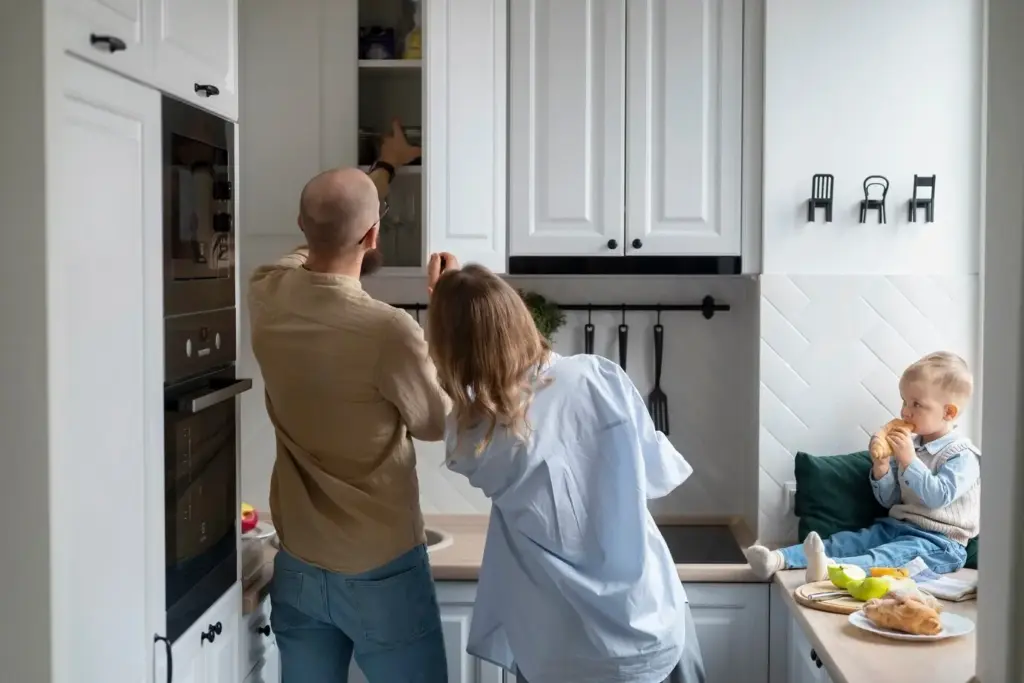
Big changes often ride on surprisingly modest adjustments: altering default placements, shortening feedback delays, or clarifying who does what and when. We will practice spotting leverage points you can touch today, not someday. Expect stories of tiny swaps yielding outsized relief, and practical checklists to try at home or work. Share your experiments so we can celebrate wins, learn from missteps, and refine approaches together without chasing perfection or heroic endurance.

Design One Safe-to-Fail Probe

Choose a scope small enough to reverse quickly: move one chore earlier, try a two-minute tidy cue, or test a new meeting cadence for two cycles. Define success and stop conditions. Learning, not perfection, is the real win.

Measure What You Actually Feel

Beyond steps and timers, track friction, mood, and recoverability. A quick one-to-five rating after tasks reveals patterns numerical totals hide. If the numbers look great but you feel brittle, the system is unstable. Adjust flows until resilience returns.

Working With Others, Not Against Them

Households, teams, and communities are webs of interdependence. Instead of fighting over symptoms, we can align on shared goals, see handoffs clearly, and design smoother flows. We will practice blameless process mapping, explicit decision rules, and rituals that honor constraints. Share a collaboration frustration in the comments, and we’ll explore structural tweaks that reduce friction while preserving relationships, creating environments where goodwill can actually produce better outcomes rather than perpetual firefighting.

Learning Loops and Personal Dashboards

Build a weekly loop: plan, act, review, adjust. Use a dashboard that fits one glance, not a spreadsheet labyrinth. Show only signals that guide behavior. When feedback is kind and timely, learning compounds with almost boring reliability.

When to Add Slack on Purpose

Slack is not laziness; it is the shock absorber that prevents promising plans from shattering. Schedule margins around handoffs, create buffer budgets, and protect rest hours. Systems with breathing room produce steadier outcomes and kinder relationships with yourself.

Celebrate Plateaus, Not Just Peaks

Plateaus prove stability. Mark streak anniversaries, acknowledge reduced stress, and thank collaborators. Small celebrations reinforce identity and keep reinforcing loops alive when novelty fades. Recognizing quiet success builds patience, making future leaps possible without burnout or constant reinvention for attention’s sake.
Lenoromipezulefave
Privacy Overview

This website uses cookies so that we can provide you with the best user experience possible. Cookie information is stored in your browser and performs functions such as recognising you when you return to our website and helping our team to understand which sections of the website you find most interesting and useful.